
Fungus gnats in houseplants can be a persistent nuisance, but thankfully, there are many effective strategies for how to get rid of fungus gnats in houseplants. These tiny, dark, flying insects are often mistaken for fruit flies, but they have a particular fondness for the damp soil of your beloved indoor greenery. While the adult gnats are mostly just annoying, their larvae can actually cause damage by feeding on plant roots, especially in seedlings and young plants. Let’s dive into how to tackle this common houseplant pest.
Understanding the Enemy: Fungus Gnats
Fungus gnats thrive in moist environments. They lay their eggs in the top inch or two of damp soil, and the larvae hatch and feed on fungi, organic matter, and sometimes, unfortunately, plant roots. Understanding their life cycle is key to how to get rid of fungus gnats in houseplants.
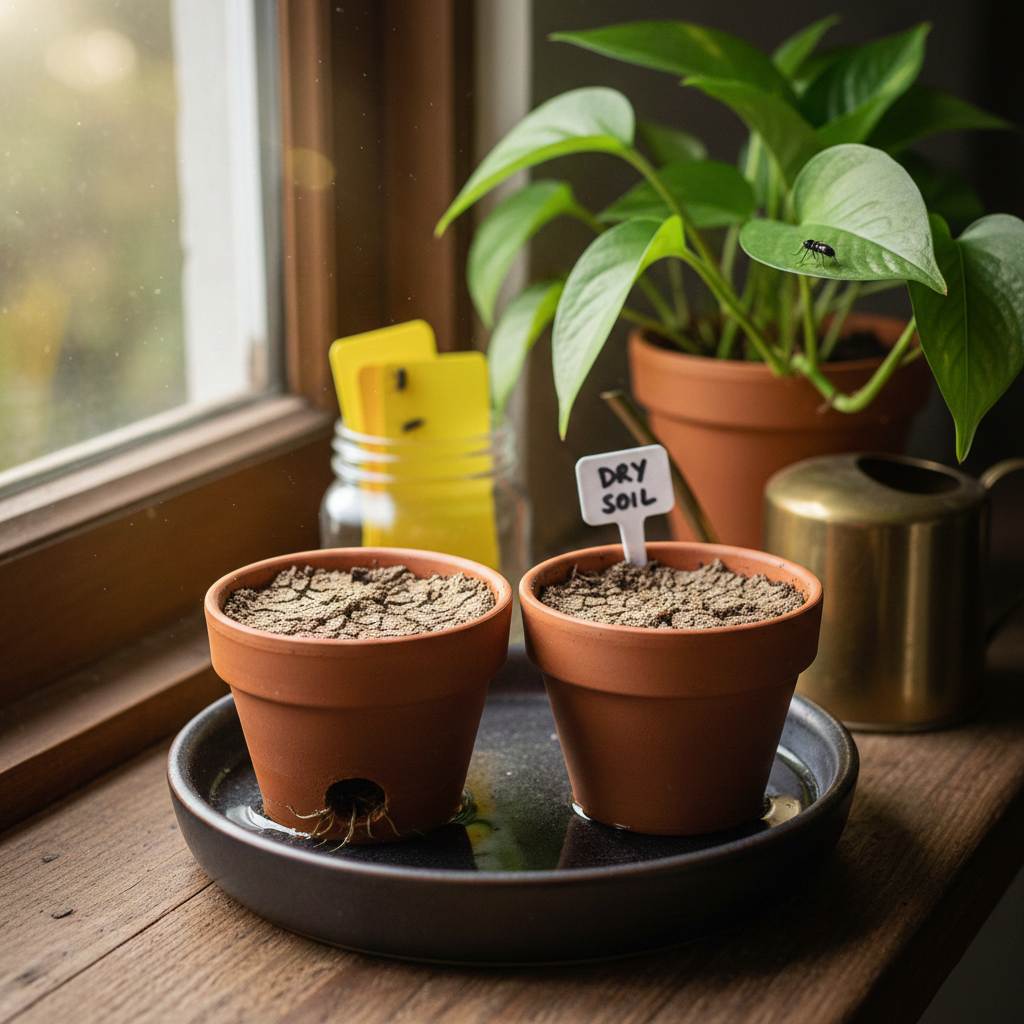
Step 1: Cultural Control – The First Line of Defense
The easiest and most impactful way to prevent and control fungus gnats is by adjusting your watering habits.
- Let the Soil Dry Out: This is paramount. Fungus gnats are attracted to moist soil. Allow the top 1-2 inches of soil to dry out completely between waterings. For many plants, this means letting them get a little thirsty.
- Bottom Watering: Consider watering your plants from the bottom. Place the pot in a tray of water and let the plant soak up what it needs. This keeps the topsoil dry, making it less attractive to gnats.
- Improve Drainage: Ensure your pots have good drainage holes and are not sitting in standing water.
- Avoid Overwatering: This is the most common mistake leading to fungus gnat infestations. When in doubt, wait to water.
- Remove Debris: Clear away any fallen leaves or decaying organic matter from the soil surface, as this can be a food source for larvae.
Step 2: Trapping Adult Gnats
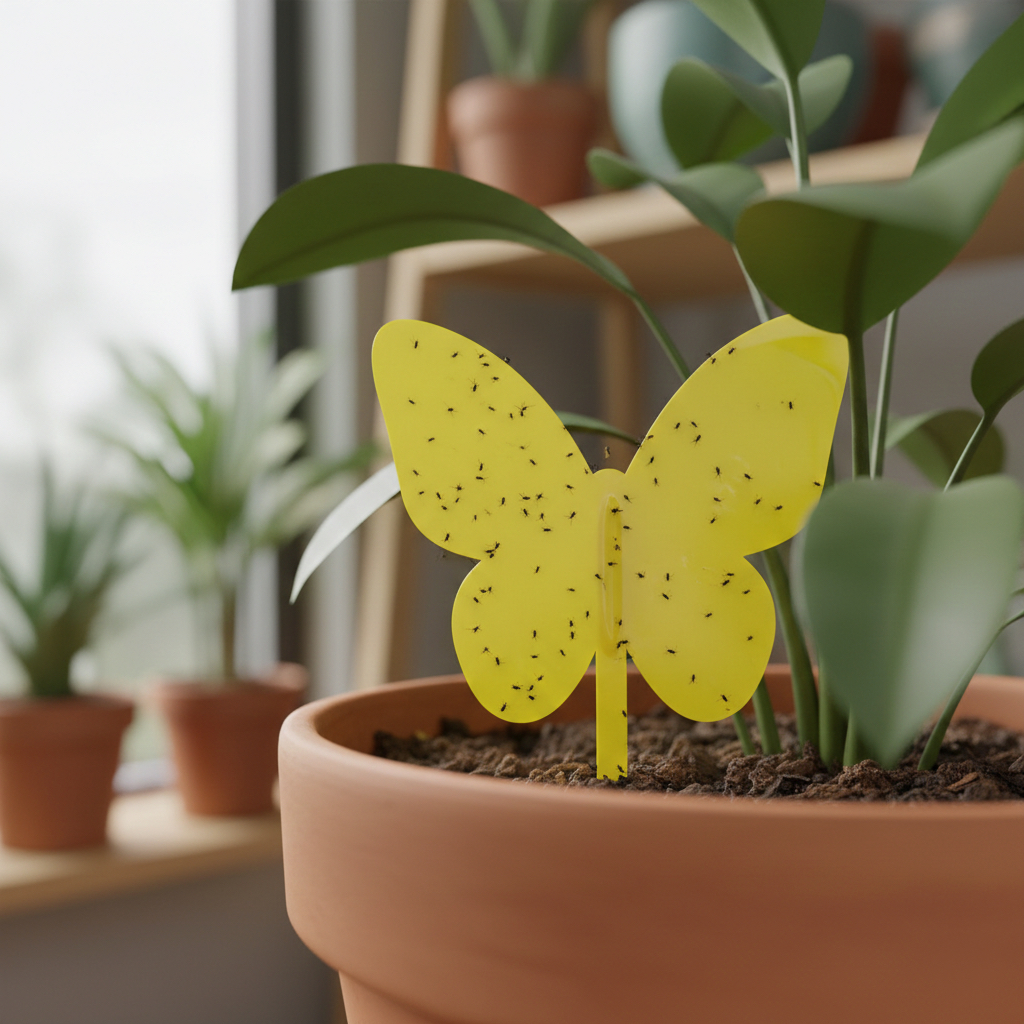
While cultural controls target the larvae, trapping adult gnats helps break their breeding cycle and reduces their numbers.
- Yellow Sticky Traps: These are highly effective for catching adult fungus gnats. Place them near the soil surface of affected plants. The yellow color attracts the gnats, and they get stuck to the adhesive.
- DIY Apple Cider Vinegar Traps: Pour some apple cider vinegar into a small dish, add a few drops of dish soap (to break the surface tension), and place it near your plants. The gnats will be attracted to the vinegar and drown.
Step 3: Targeting Larvae in the Soil
To truly get rid of fungus gnats in houseplants, you need to eliminate the larvae in the soil.
- Sand or Diatomaceous Earth Top Dressing: Cover the top 1-2 inches of your soil with horticultural sand or food-grade diatomaceous earth. These materials create a dry, abrasive barrier that gnats cannot easily penetrate to lay eggs, and diatomaceous earth also dehydrates and kills existing larvae and adults upon contact.
- Bacillus Thuringiensis Israelensis (BTI): This is a natural bacterium that specifically targets and kills mosquito and gnat larvae. You can find BTI in products like “Mosquito Bits” or “Mosquito Dunks.” Soak them in your watering can for a few hours (or overnight) before watering your plants. The BTI will then enter the soil and be consumed by the gnat larvae, killing them. This is a very safe and effective biological control.
- Neem Oil Drench (Diluted): While neem oil is often used as a foliar spray, a diluted neem oil drench can also help disrupt the life cycle of fungus gnat larvae in the soil. Always follow product instructions carefully.
Step 4: Repotting (In Severe Cases)
If you have a very severe infestation that isn’t responding to other methods, consider repotting.
- Remove Old Soil: Carefully remove as much of the old, infested soil as possible from the roots.
- Clean the Pot: Wash the pot thoroughly with soap and water, or even a dilute bleach solution, to kill any remaining eggs or larvae.
- Use Fresh, Sterilized Potting Mix: Always use fresh, good-quality potting mix. Some growers even bake their soil briefly (at a low temperature) to sterilize it, though this can be smelly!
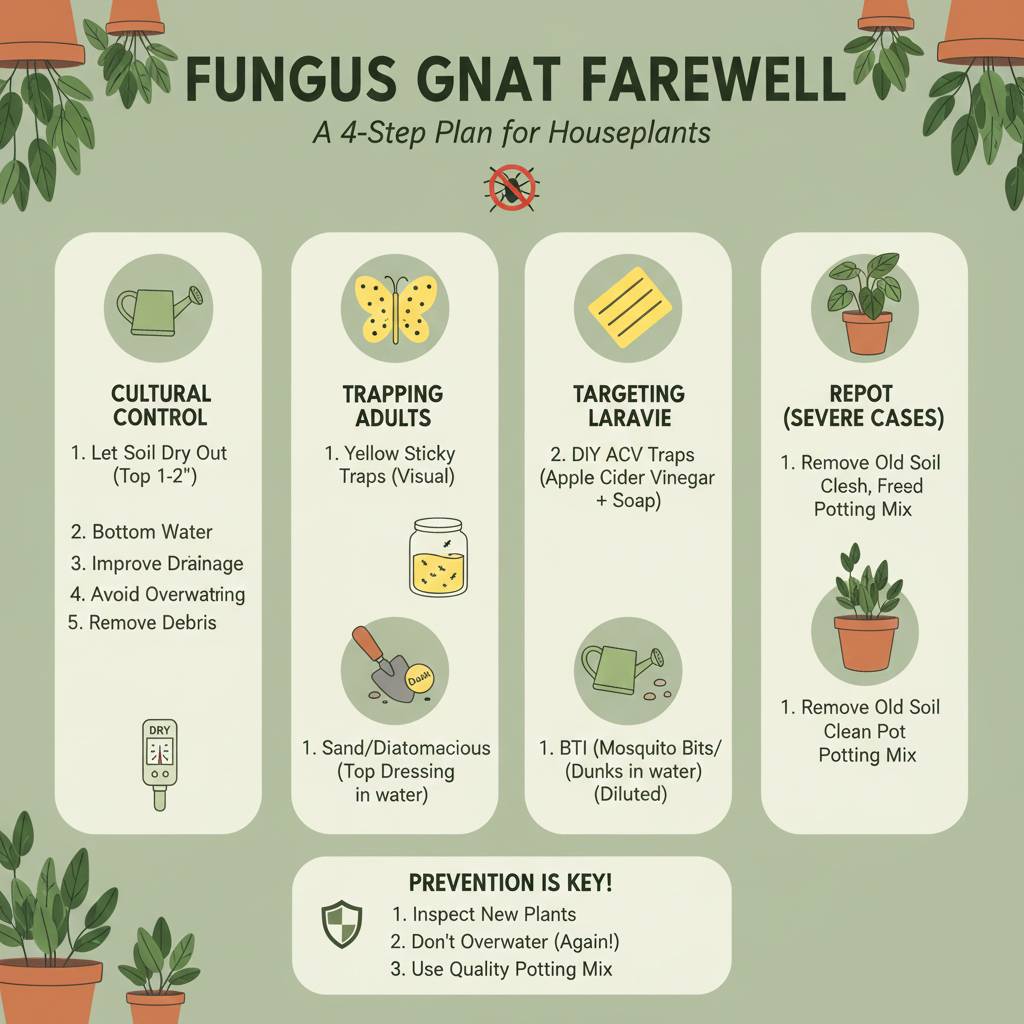
Prevention is Key
Once you know how to get rid of fungus gnats in houseplants, remember that preventing them is always easier than treating an infestation.
- Inspect New Plants: Always check new plants for pests before bringing them into your home and isolating them for a few weeks if possible.
- Don’t Overwater: This cannot be stressed enough. It’s the number one cause of fungus gnat problems.
- Use High-Quality Potting Mix: Good quality potting mixes drain well and are less likely to harbor pests.
By consistently applying these methods, you’ll successfully learn how to get rid of fungus gnats in houseplants and keep your green friends thriving and gnat-free!